Decision
Knowing how to decide as a crew, even under pressure. Analyse, arbitrate, act — without hesitation.

Understand APS-MCC
APS-MCC — Airline Pilot Standards, Multi Crew Coordination — is the training that prepares young pilots for crew operations on commercial aircraft.
In practice, it’s about learning to fly as a crew: coordinating actions, sharing tasks, communicating under pressure, handling the unexpected together. Everything a pilot does solo in training becomes teamwork in a multi-pilot cockpit — without ever losing sight of commercial operations!
Before APS-MCC, the pathway combined a basic MCC (Multi Crew Coordination) and sometimes a Jet Orientation Course (JOC). The problem? JOC had no regulatory framework! Schools could do whatever they wanted — variable duration, variable content… and no final assessment: just showing up was enough to get certified!
The result: too many young pilots arrived at airline selections below the expected level. Some were discovering a jet cockpit for the first time on assessment day!
APS-MCC was created by airlines, for airlines, to change that: an official EASA framework, standardised content, a real assessment. It develops what airlines actually expect from a pilot — and what they really evaluate on the day:
Knowing how to decide as a crew, even under pressure. Analyse, arbitrate, act — without hesitation.
Handling complex, fast-evolving situations. Weather, failures, surprises: staying on track no matter what.
Understanding how an airline really works. Flight preparation, briefings, SOPs, coordination with different departments — just like on the line.
Mastering high-performance jet flying. High altitude, energy management, systems and automation.
Result: a level recognised by recruiters, and better success rates in both Type Rating and selection.
APS-MCC
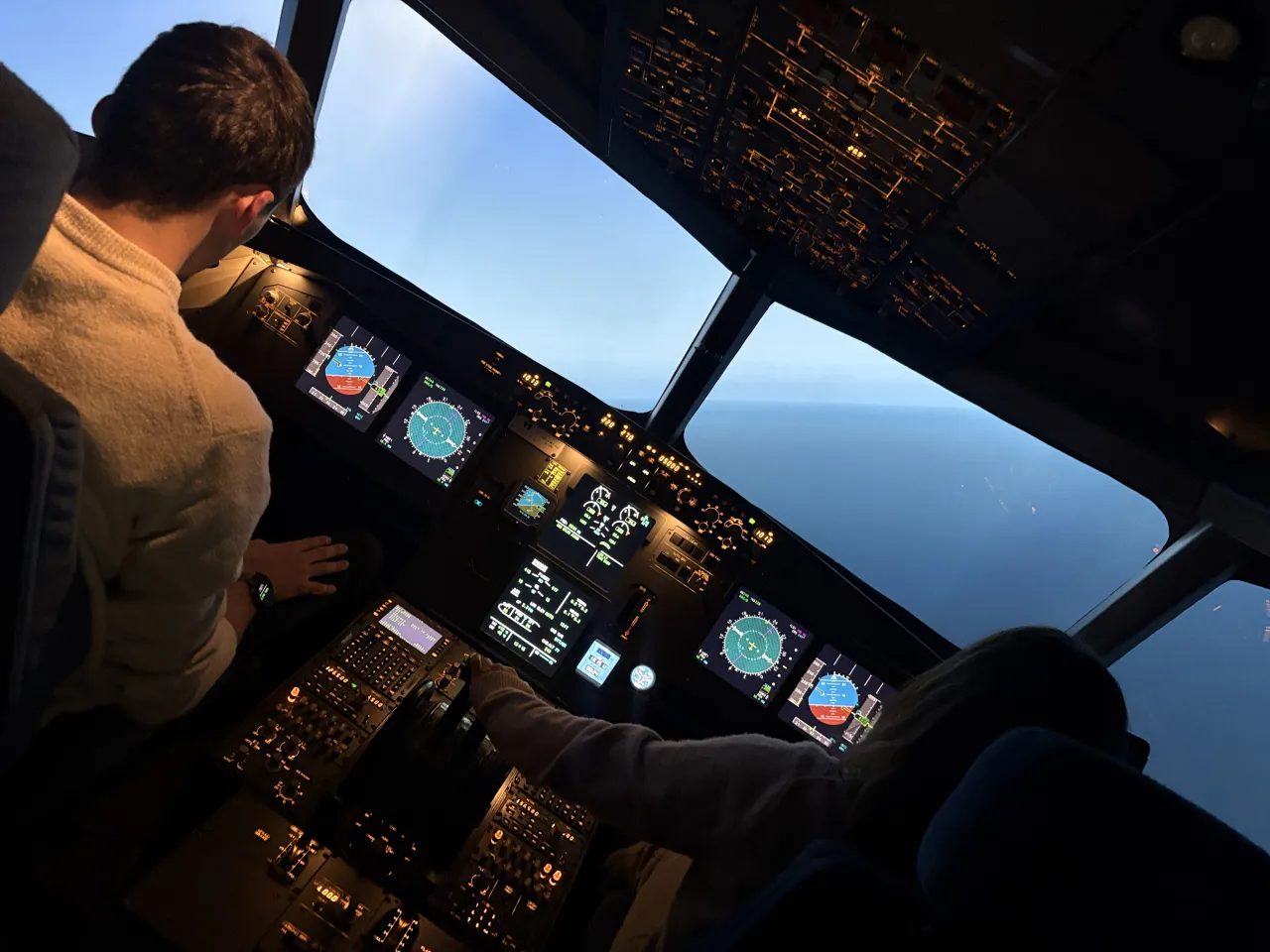
High-altitude aerodynamics, energy management, complex onboard systems, unusual attitude recoveries. You learn to fly faster, higher, heavier.
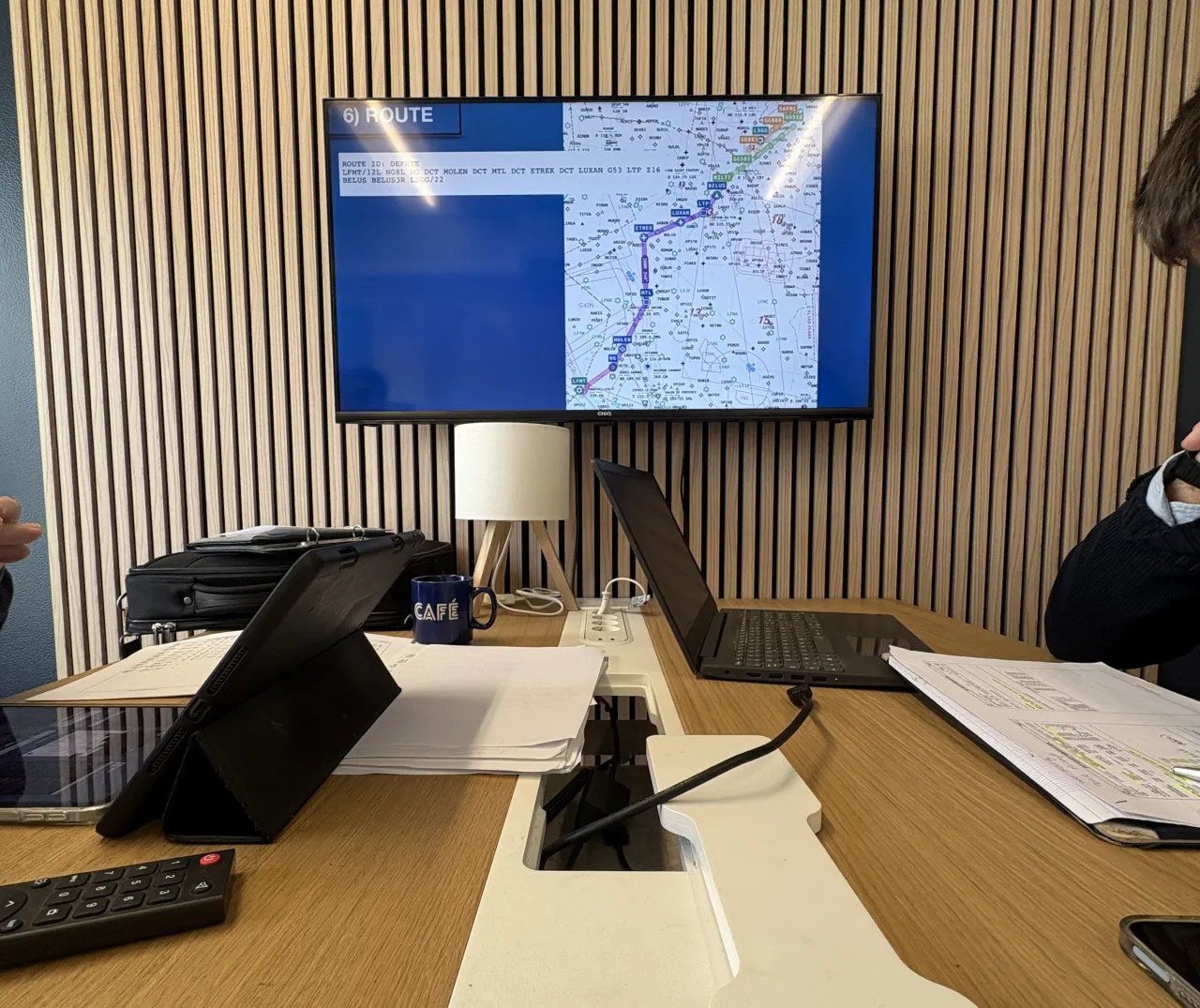
Structured briefings, weather analysis, fuel calculations, threat identification. You adopt line operating methods from day one.
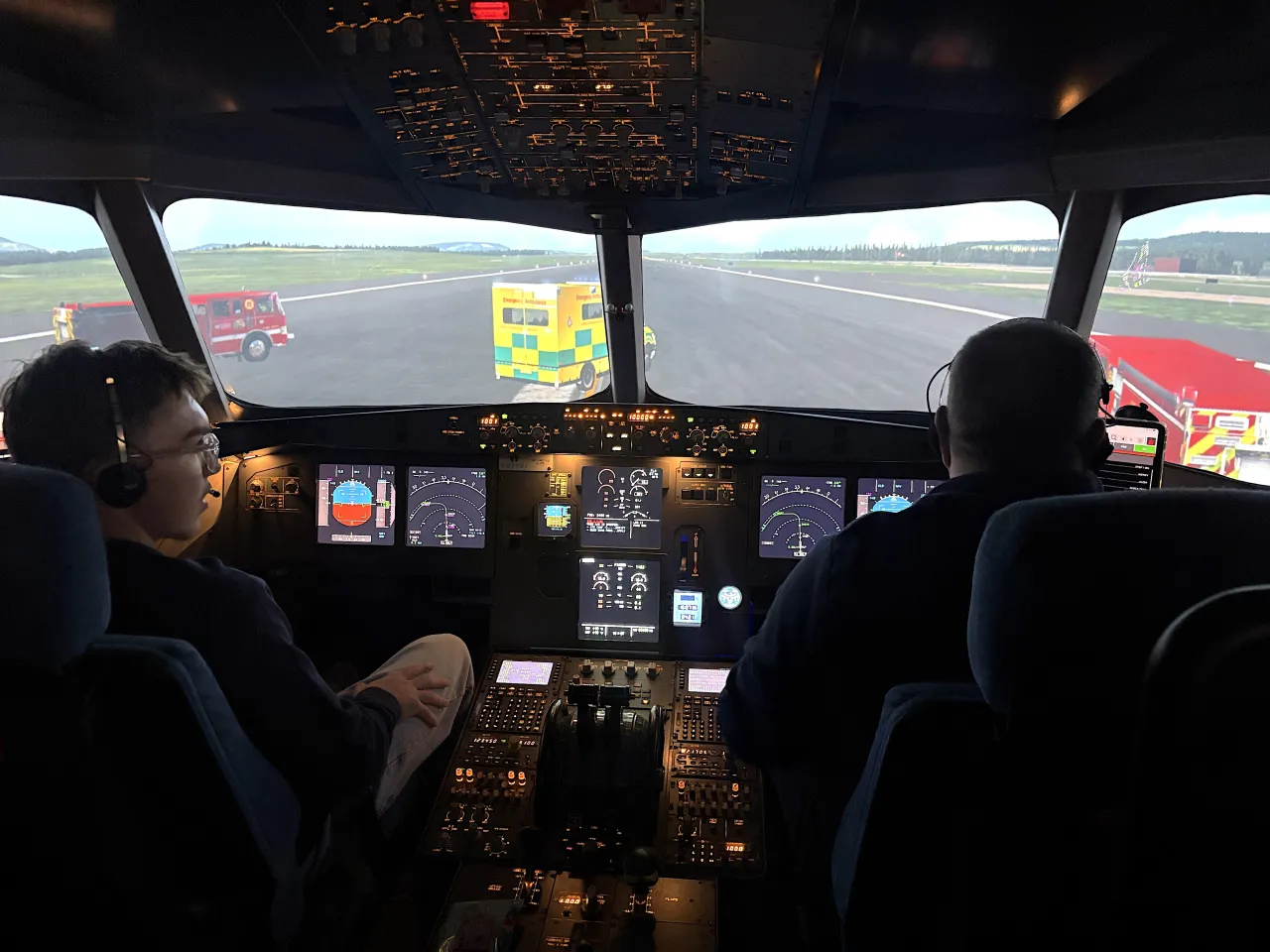
Multi-sector flights, deteriorating weather, failures, surprises, time pressure, night flights… LOFT exercises (Line Oriented Flight Training) put you in real line conditions.
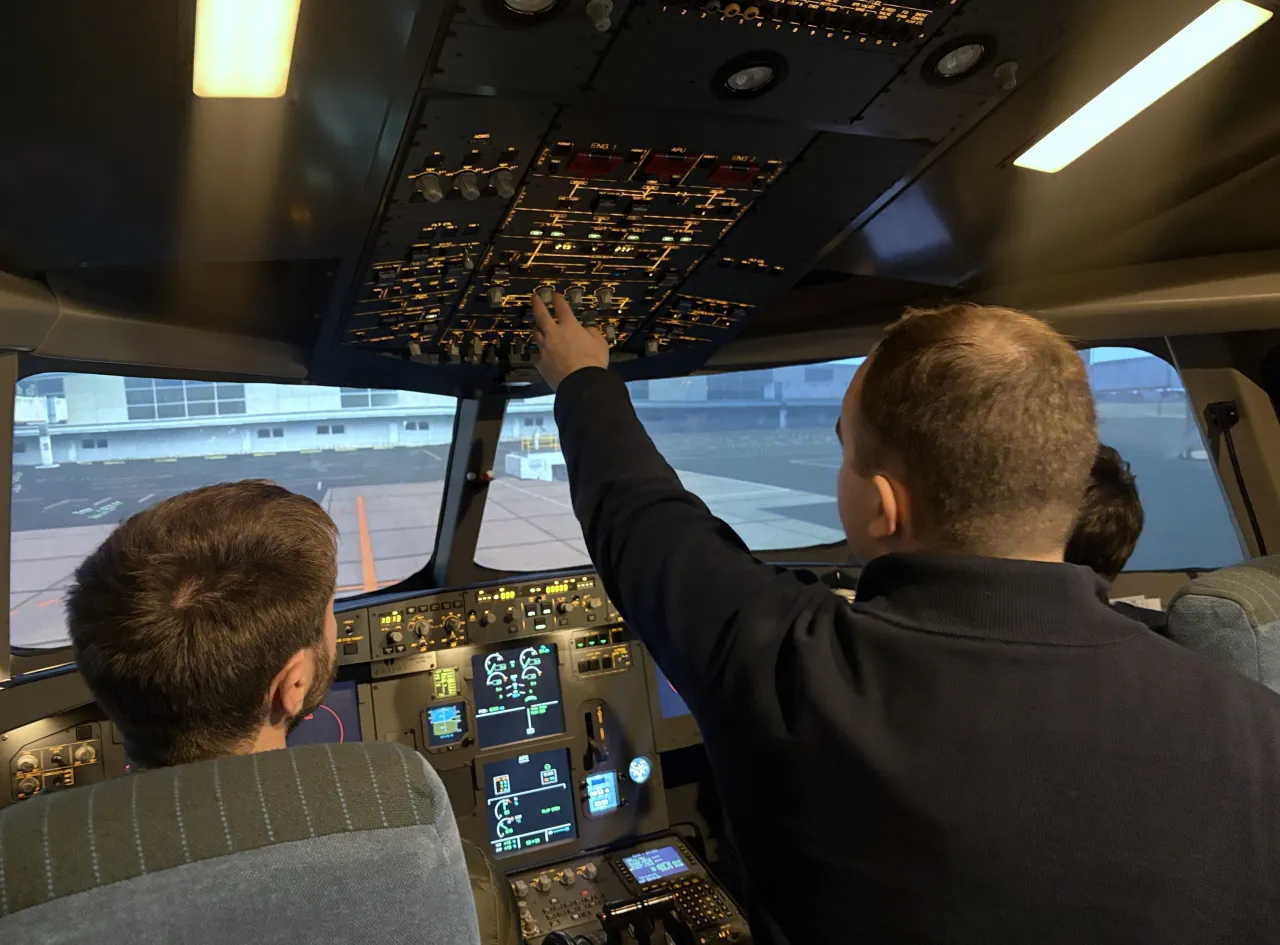
PF/PM role sharing, clear communication, workload management, cabin crew coordination, decision-making. You learn to work as a team, develop your leadership and non-technical skills.
Get your certificate
Unlike a standard MCC, APS-MCC ends with a final assessment conducted by an examiner!
The exam consists of a full flight in a simulated airline environment, where you must demonstrate your ability to work as a crew, manage your flight and aircraft, take operational factors into account, make decisions, and show resilience when things don’t go as planned. Safety first!
You have to prove your level — not just show up!
The essentials
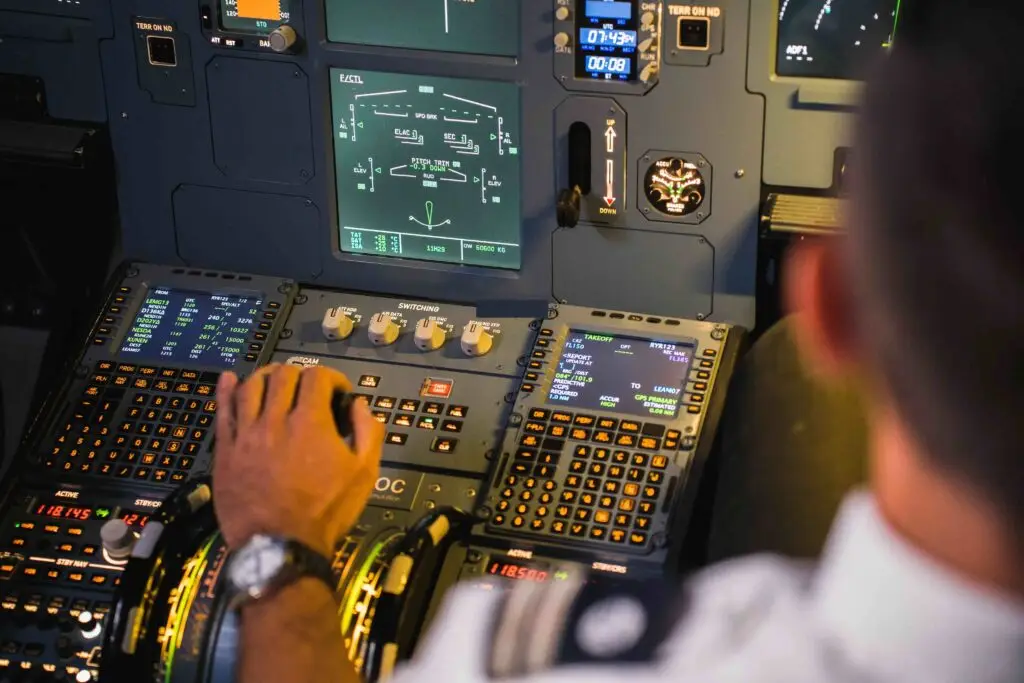
APS-MCC isn’t a box to tick. It’s the training that takes you from “qualified pilot” to “airline-ready pilot”. More solid. More rigorous. More structured. More operational.
You come out with the reflexes, methods and confidence to face a selection, pass your Type Rating, and take your place in a cockpit.
Today, no airline career starts without it.
Further reading: MCC or APS-MCC: which training should you choose in 2026?