MCC ou APS-MCC : Which Training Should You Choose in 2026?
In brief in this article:
- The standard MCC (20h simulator) is no longer enough for airlines
- APS-MCC is now the standard: 40h minimum + final assessment
- Beware of “minimum regulatory” programs: not all APS-MCCs are equal
- Key criteria: total training hours, instructor profile, teaching method
- Budget: €5,200 to €8,000 — compare the price per hour, not the listed price
What the Regulations Say
MCC (Multi-Crew Cooperation) is a mandatory requirement for flying as part of a crew. The EASA minimum: 25 hours of theory, 20 hours of simulator. That gets you the certificate.
APS MCC (Airline Pilot Standard) goes further: 40 hours of simulator minimum and a final assessment. It’s no longer just a box to tick—it’s actual preparation for the airline pilot job.
Why Basic MCC No Longer Cuts It
20 hours of simulator sounds reasonable on paper. In reality, you spend half that time as PM (Pilot Monitoring). Result: 10 hours at the controls. Not enough to feel comfortable on a jet, let alone impress at a selection.
Airlines know this. That’s why almost all of them now require APS-MCC, or at minimum an MCC supplemented by a JOC (Jet Orientation Course). The problem with JOC: no regulatory framework, quality varies wildly between ATOs.
What APS-MCC Actually Gives You
Double the simulator time, for starters. 40 hours minimum means 20 effective hours at the controls. Enough to start building real automatisms.
A mandatory final assessment, where basic MCC ends with no level verification.
That’s the regulatory foundation. What each ATO builds around it makes all the difference.
| Standard MCC or MCC/JOC | APS-MCC (40-80h) | APS-MCC (100h+) ⭐ | |
|---|---|---|---|
| Simulator hours | 20h | 40h | 40h+ |
| Total hours | ~45h | 60-80h | 100-125h |
| Final assessment | ✗ | ✓ | ✓ |
| Average price | €3,500-4,000 | €5,200-6,000 | €6,000-8,000 |
| Price per hour | ~€80-90/h | ~€75-85/h | ~€55-65/h |
| Selection preparation | ★☆☆ | ★★☆ | ★★★ |
The “Minimum Compliance” Trap
Warning: not all APS MCC programmes are equal. The EASA minimum is 40 hours of simulator. Many ATOs stop there, with a total of 60 to 80 hours of training.
That’s enough to get the certificate. Less so to arrive confident at selection. The feedback on pilot forums is clear: those who did the minimum often feel “borderline” when facing recruiter expectations.
Criteria That Make the Difference
When comparing programmes, look beyond the listed price.
Total training hours. 40 hours of simulator is the floor. But what else is included? Ground school, e-learning, structured briefings, preparation tools? The difference between 60 and 125 hours of total training is enormous.
Instructor profiles. An active TRI at an airline knows current SOPs and recruiter expectations. An instructor retired for several years may teach outdated procedures.
Training methodology. Airlines use the CBTA/EBT approach (Competency-Based Training and Assessment / Evidence-Based Training) for their recurrent training. Few ATOs apply this from the APS MCC stage—and it makes a real difference.
Tools and documentation. Official Airbus manuals or generic excerpts? Full EFB or paper briefings? These details matter for your familiarisation with the airline environment.
The Timing Question
Recruiters look at when you completed your training. A recent APS MCC (less than 6 months old) reassures them. Training from 2 years ago raises questions: are you still up to standard?
Ideally, plan your APS-MCC when you’re ready to actively apply. Look for an ATO with frequent sessions so you’re not waiting 3 months for a slot.
The Economics
A basic MCC costs between €3,500 and €4,000. An APS-MCC between €5,200 and €8,000. The gap is real, but basic MCC no longer gets you into airlines. The real choice is between different APS MCC programmes.
And there, the listed price doesn’t tell the whole story. An APS-MCC at €5,200 with online theory and 40 hours of simulator works out to around €80/h. An APS MCC at €6,400 for 125 hours in-person works out to €51/h. Not to mention that a failed selection because you weren’t ready costs far more.
Basic MCC remains relevant in some cases: business aviation, aerial work. If you’re aiming for an airline, APS MCC is the obvious choice.
What We Offer at Iroise
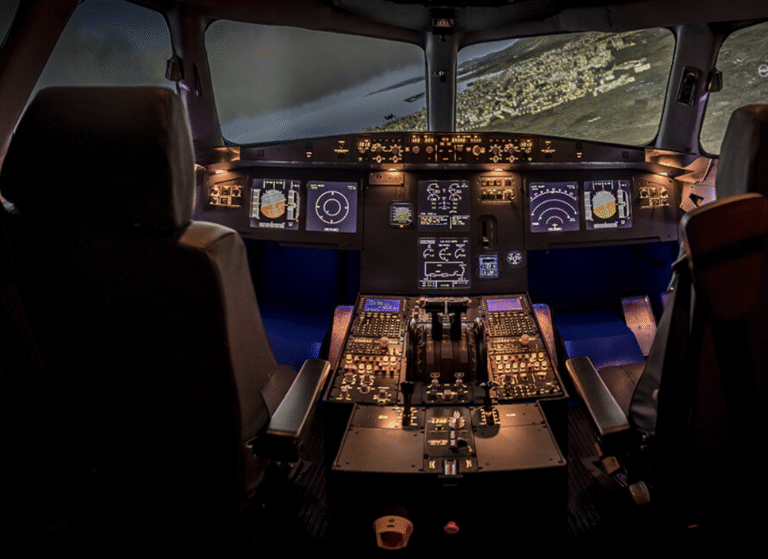
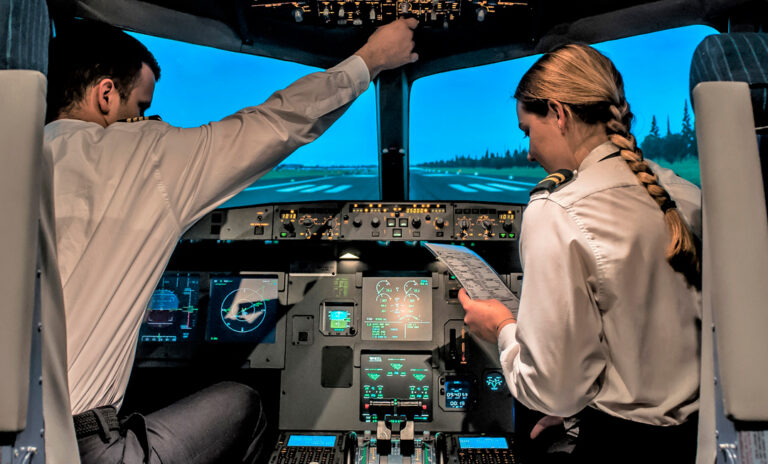
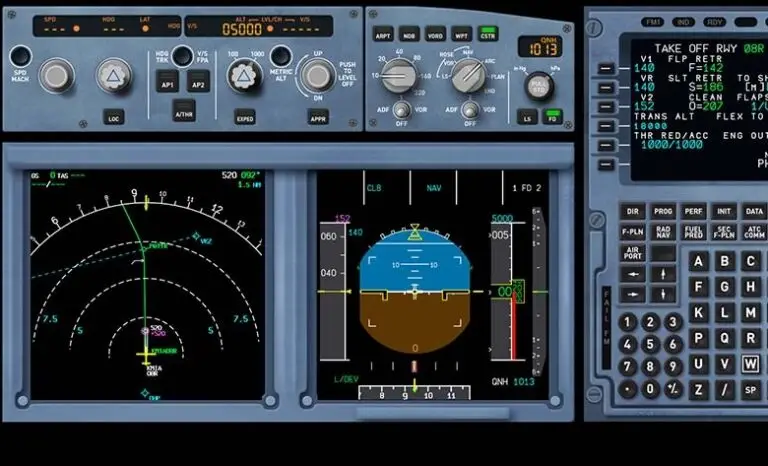
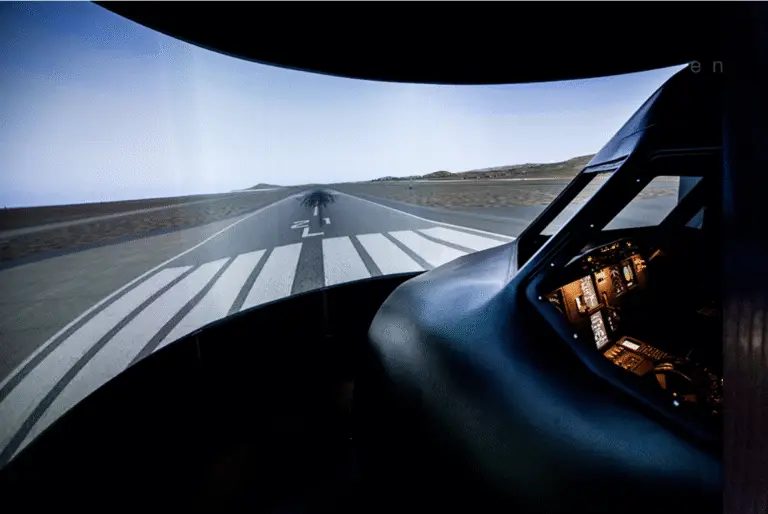
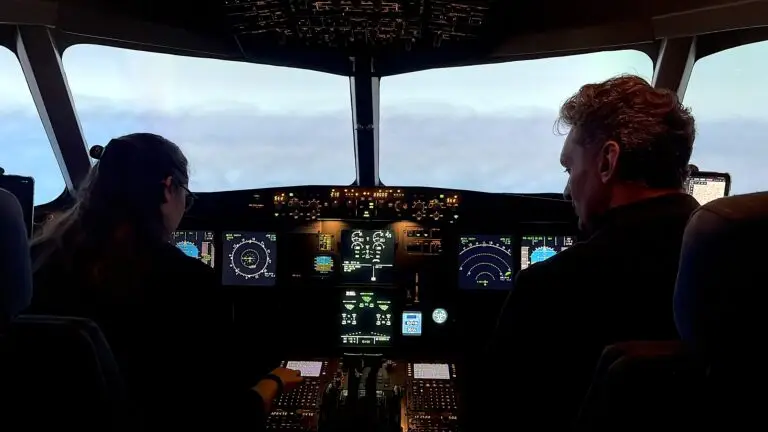
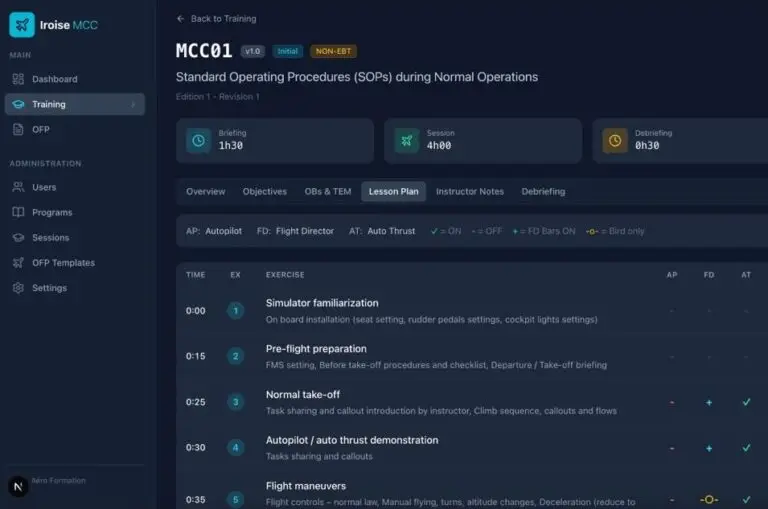
Our APS-MCC is 125 hours of training: 40 hours on FNPT II-MCC A320 simulator, 60 hours of in-person courses and briefings, e-learning modules and 14 additional hours on VPT simulator.
The difference: our programme follows the CBTA/EBT approach used by airlines. LOFT scenarios, individualised competency tracking, continuous assessment. You learn to manage situations, not just execute exercises.
Our instructors are TRIs and SFIs, all from Air France, easyJet, Volotea—active or recently retired.
Price: €6,400. Sessions every two weeks in Brest, France.